
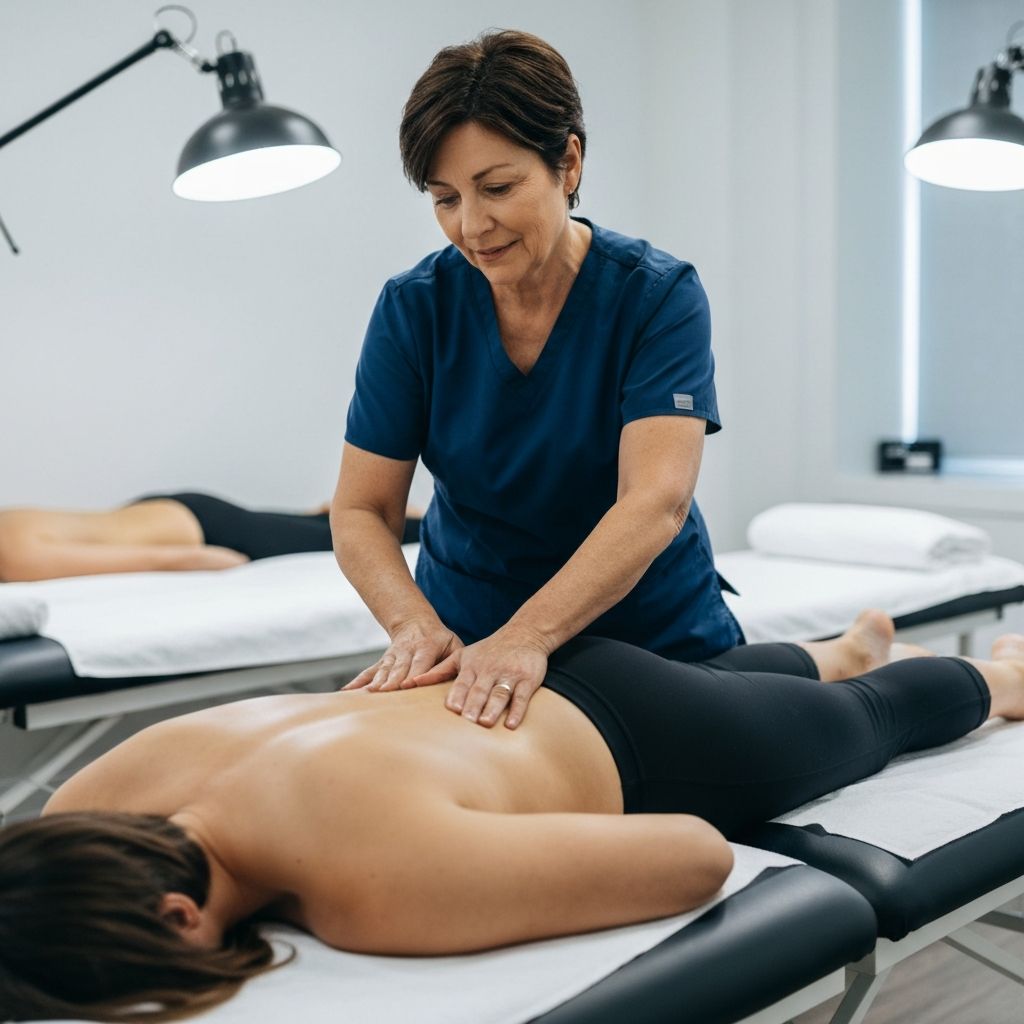
Poor posture contributes to muscle imbalances, joint stress, and overuse injuries. Physical therapy can identify and correct postural problems before they lead to pain.
Posture is not simply about appearance. The way you hold your body during sitting, standing, and movement directly influences how forces are distributed across your joints, muscles, and spine. Over time, poor postural habits create predictable patterns of muscle imbalance, joint overload, and eventually pain or injury.
What Poor Posture Actually Does to Your Body
When you slouch or hold your head forward of your shoulders, certain muscles become chronically shortened and overactive while opposing muscles become long and weak. This imbalance does not cause pain immediately, but the cumulative effect over weeks and months leads to predictable problems.
- Forward head posture adds significant compressive load to the cervical spine with every inch the head moves forward of the shoulders
- Rounded shoulders internally rotate the shoulder joint, narrowing the subacromial space and increasing impingement risk
- Excessive lumbar lordosis or flat-back posture alters how the discs and facet joints of the lumbar spine are loaded
- Anterior pelvic tilt shortens hip flexors and inhibits gluteal muscles, contributing to low back and hip pain
- Knee hyperextension alters force transmission through the patellofemoral joint
Common Injuries Linked to Poor Posture
- Cervical strain and chronic neck pain from forward head posture
- Shoulder impingement and rotator cuff tendinopathy from rounded shoulders
- Lower back pain and disc irritation from sustained flexed or extended sitting postures
- Tension headaches from suboccipital muscle overactivity
- IT band syndrome and patellofemoral pain from hip muscle imbalances
- Thoracic outlet syndrome from forward shoulder and neck posture
How Physical Therapy Addresses Posture
A physical therapist conducts a structured postural assessment to identify specific deviations from alignment, the muscle imbalances driving those deviations, and how your movement patterns during daily activities and work contribute to the problem. Treatment then targets the underlying causes rather than just symptoms.
- Stretching and soft tissue work to lengthen shortened, overactive muscles
- Strengthening exercises targeting weak, inhibited muscles
- Movement retraining to build better postural habits during daily activities
- Ergonomic assessment and recommendations for workstation and sleep position
- Manual therapy to address joint restrictions contributing to postural faults
Posture After a Car Accident
Car accident injuries frequently produce postural changes as a secondary effect. Muscle guarding, pain avoidance, and the protective postures people adopt after whiplash or back injury can quickly become habitual. Physical therapy after a car accident addresses both the primary injury and any postural adaptations that develop during recovery.
Ergonomic and Postural Assessment
Your Dynamic PT evaluation includes a full postural and movement assessment. No physician referral is required to start treatment in California.
Related Resources
Concerned about posture-related pain or want a professional assessment? Schedule at any of our four LA clinics.