
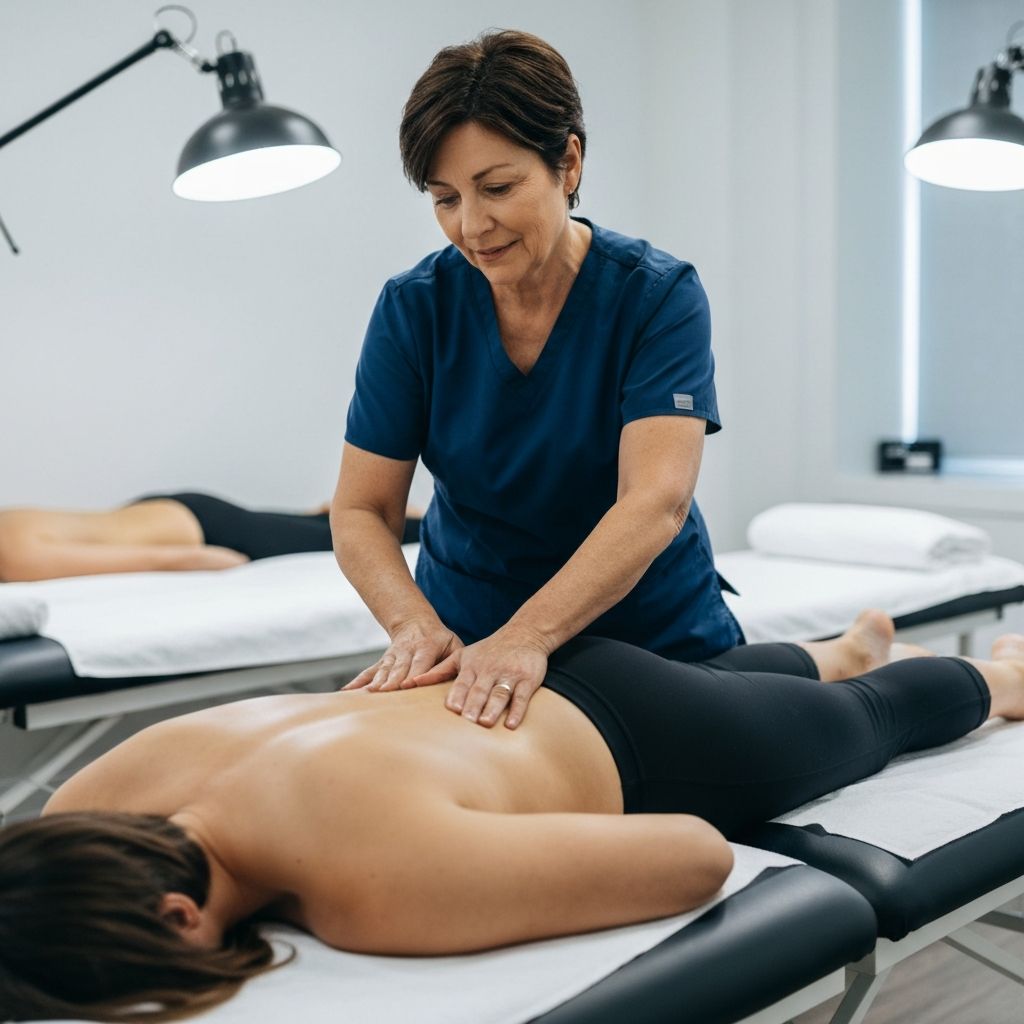
Modalities like heat, ice, electrical stimulation, and ultrasound are valuable tools in physical therapy that help control pain and prepare tissue for therapeutic exercise.
Physical therapy is much more than exercise. A comprehensive rehabilitation plan often incorporates therapeutic modalities such as heat, ice, electrical stimulation, and ultrasound to manage pain, reduce inflammation, and prepare injured tissue for more active treatment. Understanding what each modality does helps you make the most of your sessions.
Heat Therapy (Thermotherapy)
Heat is applied to muscles and soft tissue to increase local blood flow, relax muscle spasm, and improve tissue extensibility before stretching or exercise. Heat is most appropriate for subacute and chronic conditions where inflammation has subsided and the primary problem is stiffness or muscle tightness.
- Increases circulation to the treated area
- Reduces muscle spasm and guarding
- Improves tissue flexibility before manual therapy or stretching
- Reduces joint stiffness in chronic conditions
- Prepares tissue for exercise by increasing metabolic activity
Ice Therapy (Cryotherapy)
Ice is typically used in the acute phase of injury to reduce pain, limit swelling, and slow local metabolic activity. Applying ice after exercise or manual therapy can also help manage post-treatment soreness and keep inflammation under control during the rehabilitation process.
- Reduces acute swelling and bruising after injury
- Numbs the area to provide temporary pain relief
- Slows nerve conduction, reducing pain signal transmission
- Decreases local metabolic activity to limit secondary tissue damage
- Useful after manual therapy to control post-treatment soreness
Electrical Stimulation (E-Stim)
Electrical stimulation delivers low-level electrical current to muscles and nerves through electrode pads placed on the skin. Several types of electrical stimulation are used in physical therapy, each with different parameters and therapeutic goals.
- TENS (Transcutaneous Electrical Nerve Stimulation): primarily used for pain modulation by stimulating sensory nerve fibers
- NMES (Neuromuscular Electrical Stimulation): activates motor nerves to produce muscle contractions, used to re-educate weakened muscles
- Interferential Current: uses two crossing electrical currents to reach deeper tissue with less skin resistance
- Russian Stimulation: a higher-frequency current used to strengthen muscles that cannot yet produce full voluntary contractions
Therapeutic Ultrasound
Therapeutic ultrasound uses high-frequency sound waves to deliver energy deep into soft tissue. It is distinct from diagnostic ultrasound used for imaging. In physical therapy, ultrasound is used in two modes: thermal and non-thermal (pulsed).
- Thermal ultrasound heats deep tissue (tendons, ligaments, joint capsules) to improve extensibility and promote healing
- Pulsed ultrasound provides non-thermal mechanical effects useful in acute and subacute stages of healing
- Shown to accelerate tissue repair by promoting collagen synthesis and cell membrane permeability
- Commonly used for tendon injuries, scar tissue, and chronic soft tissue conditions
- Can be used with a coupling medium (gel) or underwater for irregular body surfaces
How Modalities Fit Into Your Treatment Plan
These modalities are tools that support but do not replace the core of physical therapy, which is therapeutic exercise and manual therapy. Your therapist selects the appropriate modalities based on your diagnosis, stage of healing, and treatment goals. They are typically applied before or after exercise and manual therapy to optimize tissue readiness and manage post-treatment response.
Car Accident Patients
If you were injured in a car accident, these modalities are part of comprehensive PI rehabilitation at Dynamic PT. We accept medical liens so you can start care immediately at no upfront cost.
More About Our Physical Therapy Services
Questions about what to expect in physical therapy? Call us or book an evaluation at any of our four LA locations.