
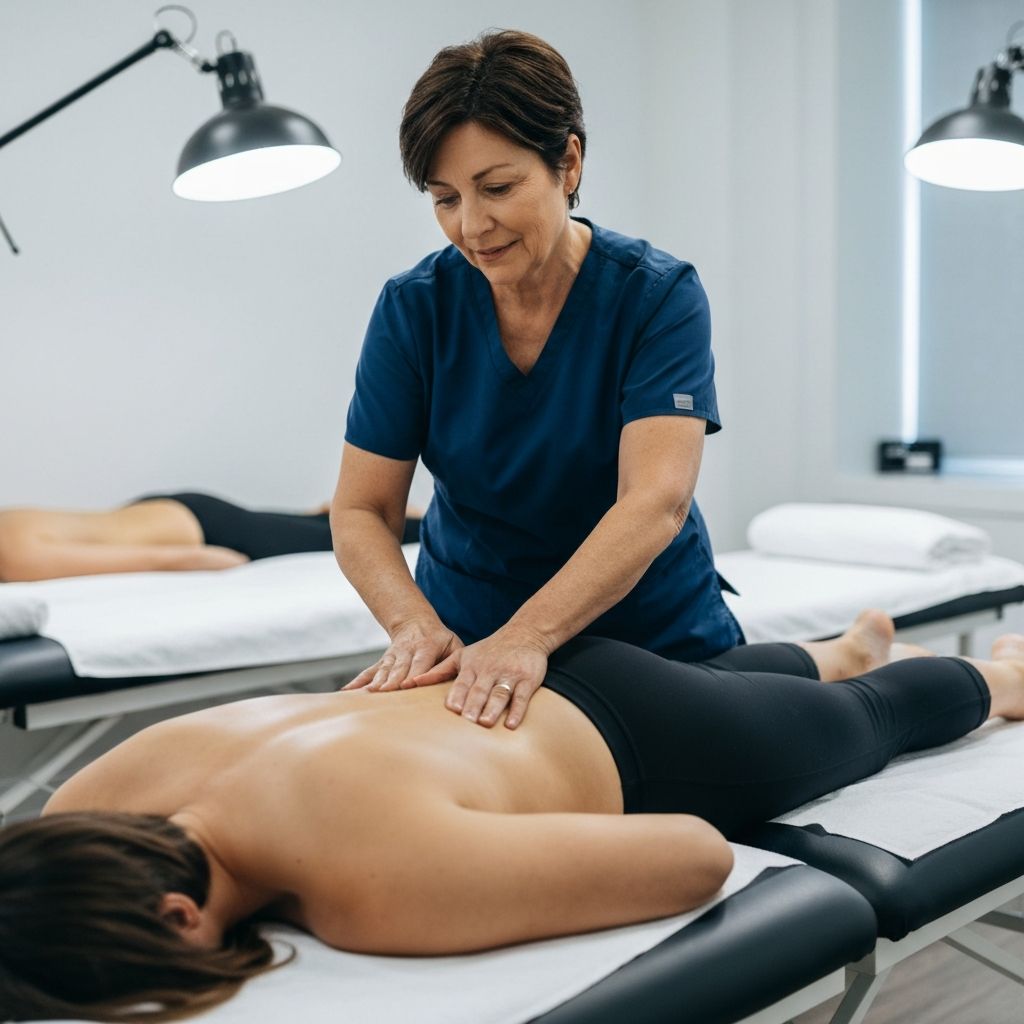
Deep tissue massage targets the deeper layers of muscle and connective tissue to break up scar tissue, relieve chronic tension, and speed recovery from injury.
Deep tissue massage is a specialized form of manual therapy that applies firm, sustained pressure to reach the deeper layers of muscle tissue and fascia. Unlike Swedish massage, which focuses on relaxation, deep tissue techniques are designed to address structural problems within the muscles, making them a valuable component of injury rehabilitation.
How Deep Tissue Massage Supports Injury Recovery
When muscles sustain injury from a car accident, sports activity, or repetitive strain, the body forms scar tissue as part of the healing process. While scar tissue is necessary, it can create adhesions that limit movement, cause ongoing pain, and predispose you to re-injury. Deep tissue massage works to break down these adhesions and restore normal tissue quality.
- Breaks up scar tissue and fascial adhesions that restrict movement
- Improves blood flow to injured tissue, delivering oxygen and nutrients that support healing
- Reduces muscle spasm and chronic tension that can prolong pain
- Decreases inflammation in chronic soft tissue injuries
- Restores normal range of motion affected by muscle tightness
- Complements physical therapy exercises by preparing tissue to move more freely
Conditions That Respond Well to Deep Tissue Massage
Deep tissue techniques are used within physical therapy treatment plans to address a wide range of musculoskeletal conditions. Your therapist will assess whether this approach is appropriate for your specific injury and stage of healing.
- Whiplash and neck muscle strain from car accidents
- Lower back pain and lumbar muscle tightness
- Rotator cuff strains and shoulder muscle injuries
- IT band syndrome and hip flexor tightness in runners
- Hamstring and quadriceps strains from sports
- Chronic upper back tension from postural strain
- Calf and Achilles injuries from overuse
Deep Tissue Massage After a Car Accident
Car accidents commonly produce soft tissue injuries including whiplash, muscle strains, and contusions. In the weeks following a collision, injured muscles can become progressively tighter as the body protects the area. Deep tissue massage, when appropriately timed within a physical therapy plan, helps address this tightening and supports a more complete recovery.
Lien-Based Care Available
If your injuries resulted from a car accident or personal injury, Dynamic PT accepts medical liens. You pay nothing upfront and treatment costs are addressed when your case settles.
What to Expect During a Session
Your physical therapist or licensed massage therapist will begin with lighter pressure to warm up the tissue, then progressively apply deeper pressure to target specific areas of restriction. Some discomfort during treatment is normal, particularly in areas of significant tension or scar tissue. You should communicate openly with your therapist throughout the session.
It is common to feel some muscle soreness for 24 to 48 hours after a session, similar to post-exercise soreness. Staying hydrated and applying ice to treated areas can help manage this. Most patients find that soreness resolves quickly and is followed by significant improvement in how the area feels and moves.
Related Services
Ready to address chronic muscle tension or injury-related tightness? Schedule an evaluation at any of our three LA clinics.