
Neck pain is the most common injury after a car accident. Discover what causes it, why symptoms appear days later, and how physical therapy can help you recover faster.
Neck pain is the single most common injury following a motor vehicle collision. In California alone, hundreds of thousands of car accidents occur each year, and a significant portion result in cervical injuries that range from mild muscle strain to herniated discs. What makes neck injuries particularly tricky is that pain often does not appear until 24 to 72 hours after the crash, by which time many accident victims have already dismissed the incident as minor.
At Dynamic Physical Therapy & Acupuncture, we see post-accident neck injuries every day at our Glendale, Van Nuys, and Woodland Hills clinics. We accept personal injury medical liens, meaning you begin treatment immediately with no upfront cost. This guide explains what causes neck pain after an accident, what symptoms to watch for, and how physical therapy speeds recovery.
What Causes Neck Pain After a Car Accident?
The neck, or cervical spine, consists of seven vertebrae, intervertebral discs, numerous muscles, and a network of ligaments and nerves. During a rear-end or side-impact collision, the head is thrown forward and backward (or sideways) at forces the neck's soft tissue was never designed to absorb. This rapid whip-like motion produces what is clinically called a whiplash-associated disorder (WAD).
- Cervical muscle strain: overstretching or micro-tearing of the sternocleidomastoid, scalene, and trapezius muscles
- Ligament sprain: stretching of the anterior longitudinal ligament and posterior cervical ligaments
- Cervical disc injury: compression or herniation between C4-C5, C5-C6, or C6-C7, often irritating the exiting nerve roots
- Facet joint injury: compression and inflammation of the zygapophyseal joints along the cervical spine
- Nerve root irritation: shooting pain, numbness, or tingling into the arm, hand, or fingers
Why Symptoms Appear Hours or Days Later
Adrenaline released during a traumatic event can mask pain for hours. As it dissipates over the next day or two, inflammation builds in the injured muscles and joints, producing stiffness and soreness. This delayed onset explains why many patients feel fine at the accident scene but wake up the following morning barely able to turn their head. It does not mean the injury is minor - it means the body's natural pain suppression temporarily concealed it.
Important
Delaying treatment allows scar tissue to form in injured muscles and can convert an acute injury into a chronic condition. Starting physical therapy within 72 hours of the accident significantly improves recovery outcomes and strengthens your personal injury claim.
Common Symptoms of Post-Accident Neck Injury
- Neck stiffness and reduced range of motion (difficulty turning head left or right)
- Dull aching or sharp pain at the base of the skull, mid-neck, or between the shoulder blades
- Post-traumatic headaches originating from muscle tension in the upper cervical spine
- Numbness, tingling, or weakness radiating into the shoulder, arm, or hand (nerve involvement)
- Dizziness or visual disturbances in severe whiplash cases
- Jaw pain (temporomandibular joint involvement)
How Physical Therapy Treats Neck Pain After an Accident
Comprehensive Evaluation and Documentation
Your first visit begins with a thorough evaluation of your cervical range of motion, muscle strength, posture, and neurological function. All findings are documented in a formal narrative report. This report is medically necessary for your recovery and legally valuable for your attorney.
Manual Therapy and Soft Tissue Work
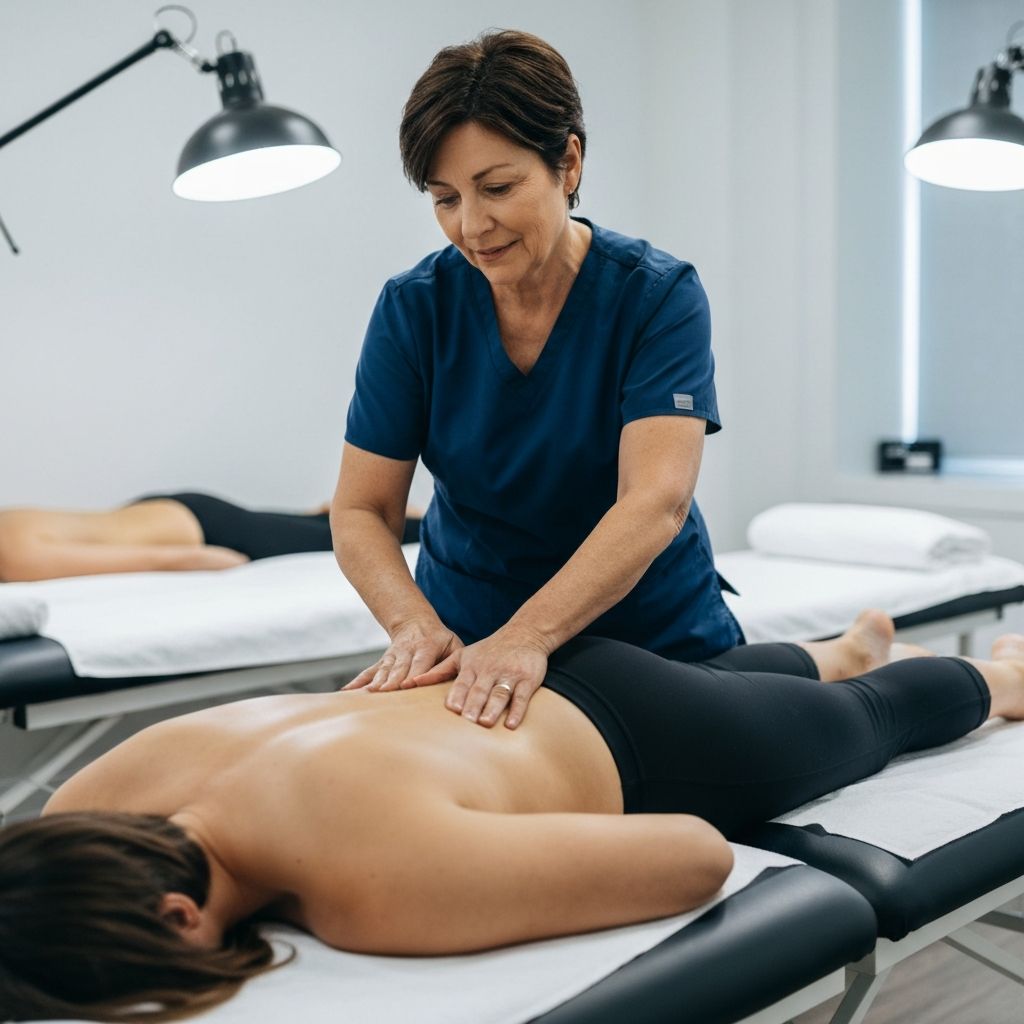
Hands-on treatment is the cornerstone of cervical injury rehabilitation. Our therapists use soft tissue mobilization, myofascial release, cervical joint mobilization, and trigger point therapy to reduce muscle spasm, restore joint mobility, and decrease pain.
Cervical Traction and Nerve Decompression
For patients with disc herniation or nerve root compression, mechanical or manual cervical traction gently separates the vertebrae, reducing pressure on the disc and nerve. Many patients report significant pain and numbness relief after their first traction session.
Dry Needling and Acupuncture
Dynamic PT integrates acupuncture and dry needling into cervical injury protocols. Dry needling targets myofascial trigger points in the upper trapezius, scalenes, and suboccipital muscles to release stubborn muscle spasm that manual therapy alone cannot fully address.
Strengthening and Postural Rehabilitation
Once acute pain is managed, progressive strengthening of the deep cervical flexors and scapular stabilizers protects the cervical spine from re-injury and corrects the forward head posture that often develops after a whiplash injury.
Lien-Based PT: No Upfront Cost for Accident Victims
California personal injury law allows accident victims to receive medical treatment on a lien basis. You receive the care you need immediately, and treatment fees are deducted from your settlement when your case resolves. You pay nothing during treatment.
Dynamic PT accepts personal injury liens at all three clinics. We also provide detailed medical reports, progress notes, and final narratives that your attorney can use to document the extent of your injuries and the cost of treatment.
How Long Does Recovery Take?
With early physical therapy, most patients with acute cervical strain recover within 6 to 12 weeks. More complex injuries involving disc herniation or nerve involvement may require 3 to 6 months of treatment. Without intervention, studies show that approximately 50% of whiplash patients still report pain at 12 months post-accident.
Neck pain after a car accident? Call Dynamic PT for a same-day evaluation at our Glendale, Van Nuys, or Woodland Hills clinic. We accept personal injury liens - no upfront cost.