
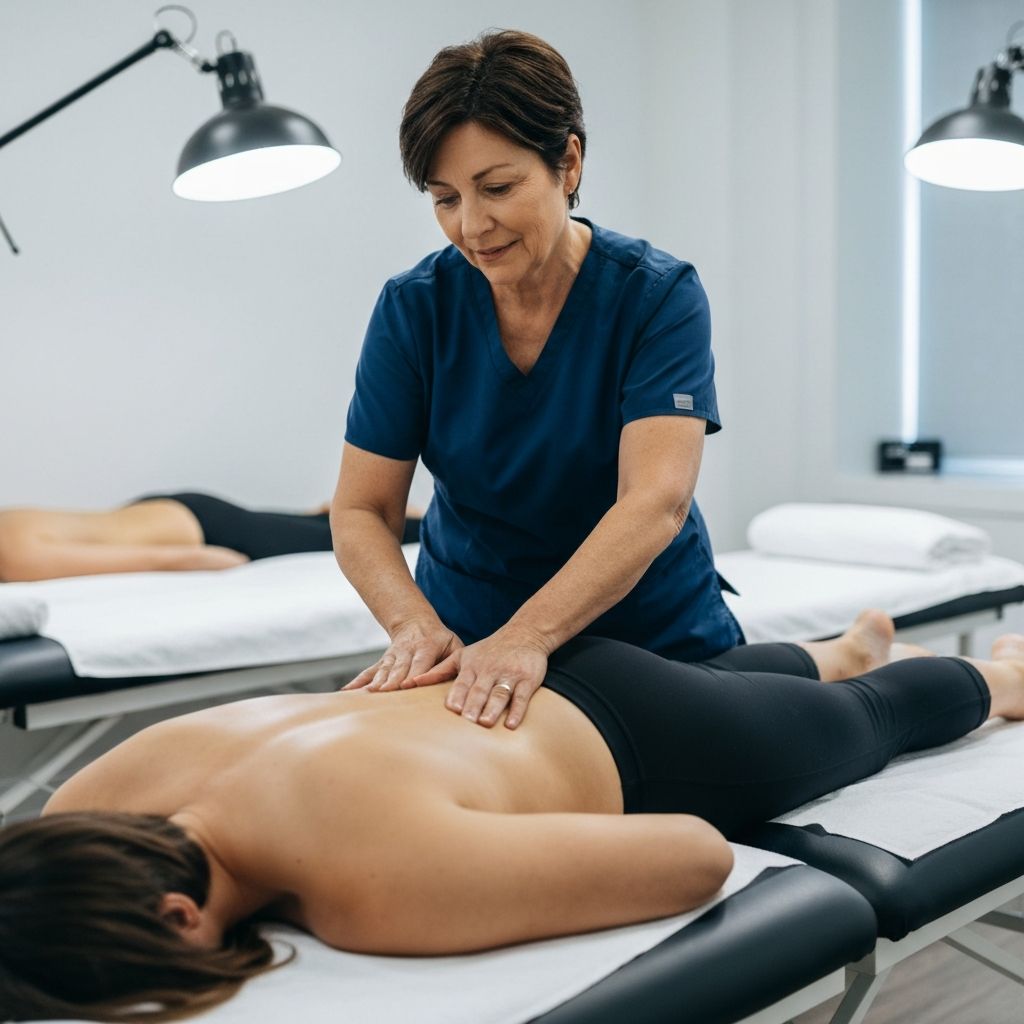
Lower back pain is the most claimed car accident injury in California. Learn exactly what structures are injured, why early PT is essential, and how lien-based care works.
Lower back pain is the single most commonly claimed injury in California personal injury cases - and for good reason. The lumbar spine is uniquely vulnerable to the forces generated by a car accident, and even what appears to be a minor collision can produce significant damage to the lumbar muscles, discs, and sacroiliac joints. Unlike broken bones that appear on X-rays, lower back injuries are largely soft tissue - which means they are often invisible on initial imaging yet cause profound pain and disability.
Dynamic Physical Therapy & Acupuncture treats post-accident lower back injuries at our Glendale, Van Nuys, Woodland Hills, and San Fernando clinics. We accept personal injury medical liens - no upfront cost, same-day evaluations.
Three Main Types of Lower Back Injury from Car Accidents
1. Lumbar Muscle Strain and Ligament Sprain
The most common lower back injury after a collision is strain of the lumbar paraspinal muscles (erector spinae, quadratus lumborum, multifidus) and sprain of the posterior lumbar ligaments. During a rear-end impact, the seatbelt locks the pelvis while the upper body whips forward and back, forcibly stretching the lumbar muscles and ligaments beyond their elastic limit. Symptoms typically include localized lower back pain, muscle spasm, stiffness, and difficulty standing straight. With physical therapy, most lumbar strains resolve within 4 to 8 weeks.
2. Lumbar Disc Herniation
The discs between L4-L5 and L5-S1 are the most vulnerable to herniation from collision forces. When the disc ruptures, it places direct pressure on the adjacent nerve roots, producing classic sciatica - radiating pain, numbness, and weakness running down the leg. Lumbar disc herniations from accidents are among the most well-documented personal injury diagnoses and respond well to PT including lumbar traction, McKenzie exercises, and core stabilization.
3. Sacroiliac (SI) Joint Injury
The sacroiliac joint connects the sacrum (base of the spine) to the pelvis. The asymmetric bracing force during a collision - particularly when one foot is on the brake and the other is not - can sprain the SI joint ligaments, causing deep, aching low back pain and buttock pain that is often confused with disc-related sciatica. SI joint injuries respond specifically to joint mobilization and stabilization exercises targeting the gluteus medius and pelvic floor.
Do Not Wait
Lower back pain has a 30% chronification rate when untreated after a car accident. Starting physical therapy within 72 hours of the collision is the single most effective way to prevent acute lumbar strain from becoming chronic lower back pain. California law allows direct access to PT - no referral needed for the first 45 days.
Why MRI Matters for Lower Back Claims
While physical therapy can begin immediately without imaging, an MRI is essential for documenting disc herniations, nerve compression, and SI joint pathology for your personal injury claim. Dynamic PT can coordinate MRI referrals to facilities that work on personal injury lien so that your imaging costs are also deferred to your settlement.
Lien-Based Lower Back PT in California
We accept personal injury medical liens at all four clinics and provide the complete clinical documentation - narrative reports, progress notes, range of motion measurements, and functional capacity assessments - that California personal injury attorneys need to accurately represent lumbar injuries in settlement.
Lower back pain after a car accident in California? Call Dynamic PT for a same-day evaluation in Glendale, Van Nuys, or Woodland Hills. Personal injury lien accepted - no upfront cost.